The Complex World of Jueteng and Its Impact on Society
In the vibrant tapestry of Filipino culture, various activities and traditions hold significant sway over communities. Among these, jueteng, an underground numbers game, operates with both ubiquity and controversy across the Philippine archipelago. Jueteng has been a topic of contention and debate, often pitting its economic allure against the social and ethical challenges it presents.
Understanding Jueteng
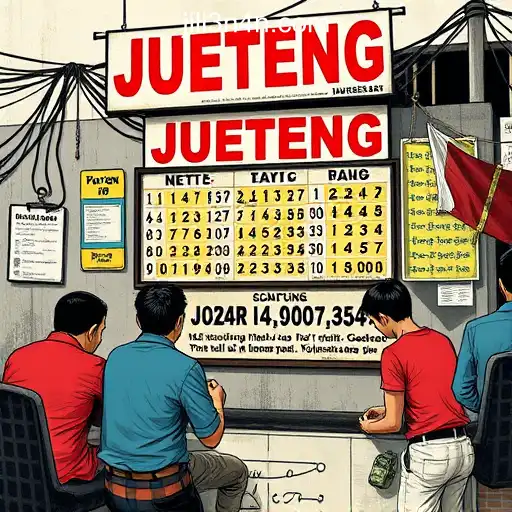
Jueteng is a local numbers game, akin to a lottery, that has persisted through generations despite governmental crackdowns and societal debate. At its core, jueteng involves bettors choosing numbers, usually a combination of two or three, and hoping they coincide with numbers drawn by operators who run the game. What makes this lottery-type game intriguing is its deep-seated cultural roots and the empowerment it provides to both bettors and operators within local communities.
The Mechanism Behind Jueteng
The game's operation is relatively simple, which explains its popularity among the masses. Players select two numbers from 1 to 37, often referred to as "3N4N" in some circles. The numbers are drawn twice daily, with a win promising substantial monetary rewards that attract hopeful bettors despite the low odds of success. Operating largely in secrecy, the game's players place bets through a network of local collectors or "kubradores," who then pass on the wagers to higher-ranking coordinators. This well-organized network often extends its reach to political and police spheres, ensuring its survival despite legal prohibitions.
Jueteng's Economic Impact
One of the key appeals of jueteng is its economic potential for players and operators. In economically disadvantaged areas, the promise of winning a significant amount of money from a small bet is alluring. Furthermore, jueteng provides a source of income for those involved in its collection and management. Critics, however, argue that this economic benefit is overshadowed by the negative impact it has on social structures, particularly when money that could be used for essential needs is instead gambled away.
Challenges in Regulation
The Philippine government's efforts to curb jueteng have often been thwarted by its ingrained nature. Attempts at official regulation and replacement with legal alternatives like the Philippine Charity Sweepstakes Office's (PCSO) Small Town Lottery (STL) have met with limited success. Jueteng often undercuts STL, partly due to its tax-free payouts and the local networks' ability to quickly adapt and relocate to evade law enforcement.
3N4N Legit Site Get Extra Free Bonus
The existence of numerous online platforms claiming legitimacy and offering additional rewards, such as bonus incentives, represents another challenge. The term "3N4N Legit Site Get Extra Free Bonus" often surfaces in discussions around jueteng, highlighting new-age methods of participation and raising further regulatory concerns. Such platforms leverage the game’s traditional appeal while promising modern convenience and added value.
Social and Ethical Implications
Despite its appeal, jueteng poses ethical dilemmas. Critics argue it preys on the hopes of the impoverished, offering false hope while contributing to financial instability. In many communities, its proceeds fund charitable acts or local infrastructure, creating a complex societal relationship that blurs the line between vice and virtue.
The Role of Local Governance
Local officials, whether complicit or adversarial, play a crucial role in the jueteng dynamic. In some regions, allegations of protection rackets and corruption abound, with officials purportedly turning a blind eye in exchange for kickbacks. Conversely, some local leaders advocate for cracking down on jueteng, citing its negative influence on community values and economic health.
The Cultural Dimension
Understanding jueteng also requires a cultural perspective: it is a tradition interwoven with social gatherings and community interaction. It acts as a daily diversion and a bonding activity among neighbors, thereby reinforcing its resilience against attempts at eradication. However, this cultural entrenchment poses additional hurdles for reformers and policymakers attempting to curb its reach.
Looking Ahead
The future of jueteng in Philippine society remains uncertain. With technology offering new avenues for its continuation and expansion, regulatory bodies must adapt to modern challenges while acknowledging the social complexities involved. As jueteng continues to oscillate between being a cultural fixture and a social malady, ongoing discourse and innovative solutions will be essential in reconciling this age-old practice with contemporary societal needs.
Ultimately, the story of jueteng is one of contradiction and convergence, where the colorful threads of economics, culture, and ethics weave a rich yet contentious narrative that continues to influence and reflect the broader dynamics of Filipino society today.